Hi, I’m Kai Krautter
a Researcher
a Writer
a Youtuber
I explore the psychology of passion and meaningful work at Harvard Business School. I’m curious about what moves us—and how we can keep that spark alive.

What I Do
Research
Exploring how passion shapes our experiences, relationships, and everyday working lives.
Writing
Bringing psychological research to a wider audience through Harvard Business Review and beyond.
Podcasting
Conversations on psychology, statistics, and PhD life with Luise Hönig on Positiv Korreliert.
Talks & Workshops
Sharing psychology-related ideas in talks and workshops that connect research with practice.
Bringing People Together
Helping organize the German American Conference through leadership, outreach, and new ideas.
Sharing What I Learn
Thoughts, experiences, and research-inspired ideas on LinkedIn and in my newsletter, Kaizen.
Passion is powerful.
Let’s understand it.
I’m a PhD candidate in Organizational Behavior at Harvard Business School, studying the human side of work.
My co-authors and I explore what people are passionate about, how they pursue those passions, and the opportunities and challenges that follow. Our aim is to help people sustain existing passions, discover new ones, and make a positive difference.
Questions that keep me curious:
↗ How do people want to make a difference in the world?
↗ When should we persist—and when should we move on?
↗ How can we pursue passion without burning out?
Outside research, I co-host Positiv Korreliert, help organize the German American Conference, and share stories about a meaningful life in Kaizen.
Stories Worth Sharing
Personal milestones, new research, and reflections on a meaningful life.
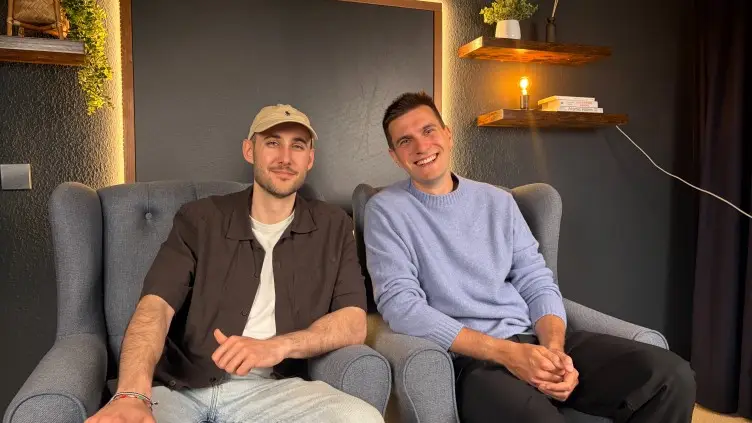
A more meaningful life, one story at a time.
Personal reflections on passion, growth, and the experiences that change how we see the world.
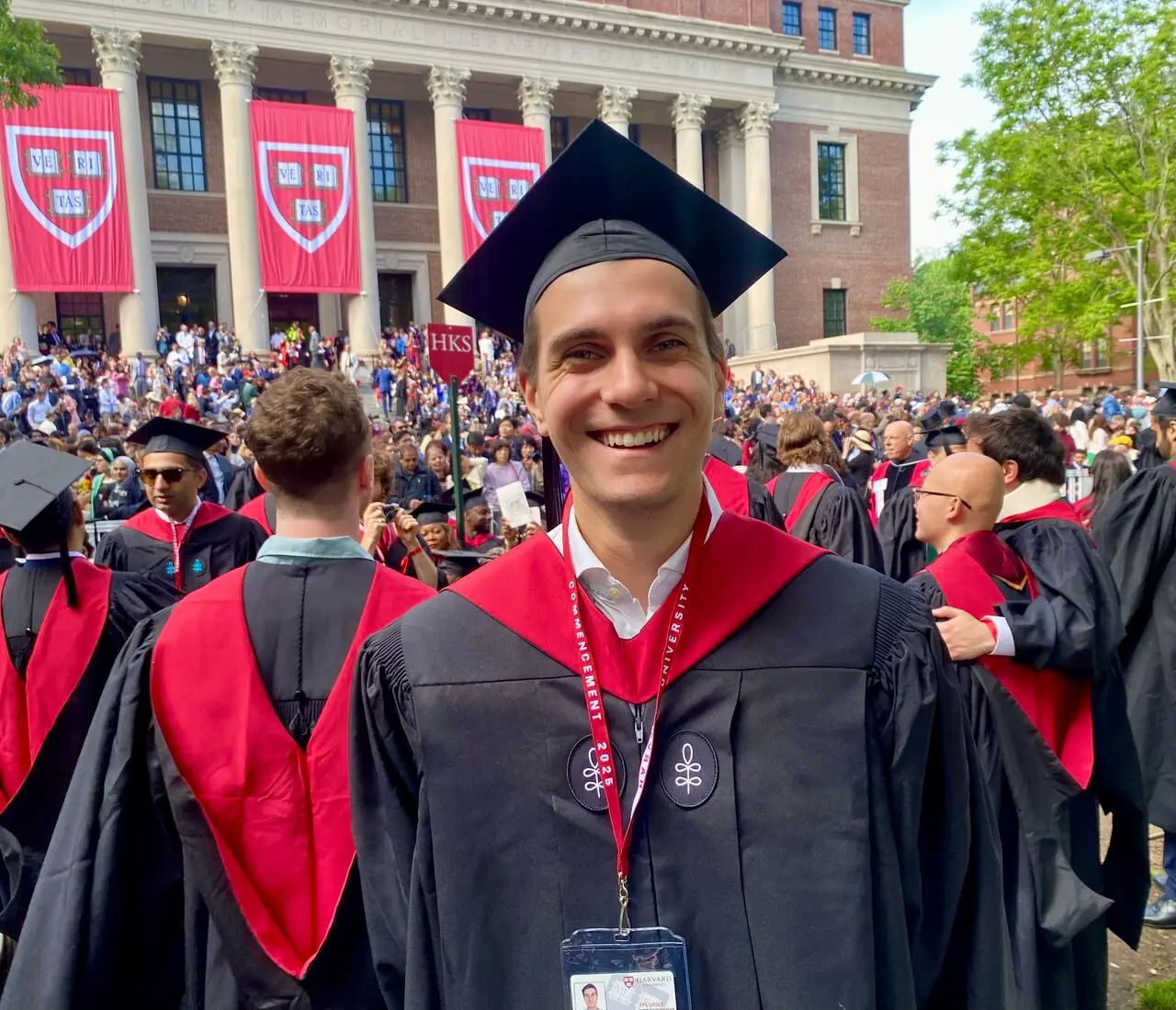
A Harvard graduation. A dream realized.
Celebrating the completion of my Master’s in Psychology at Harvard University—a milestone I once could hardly imagine.
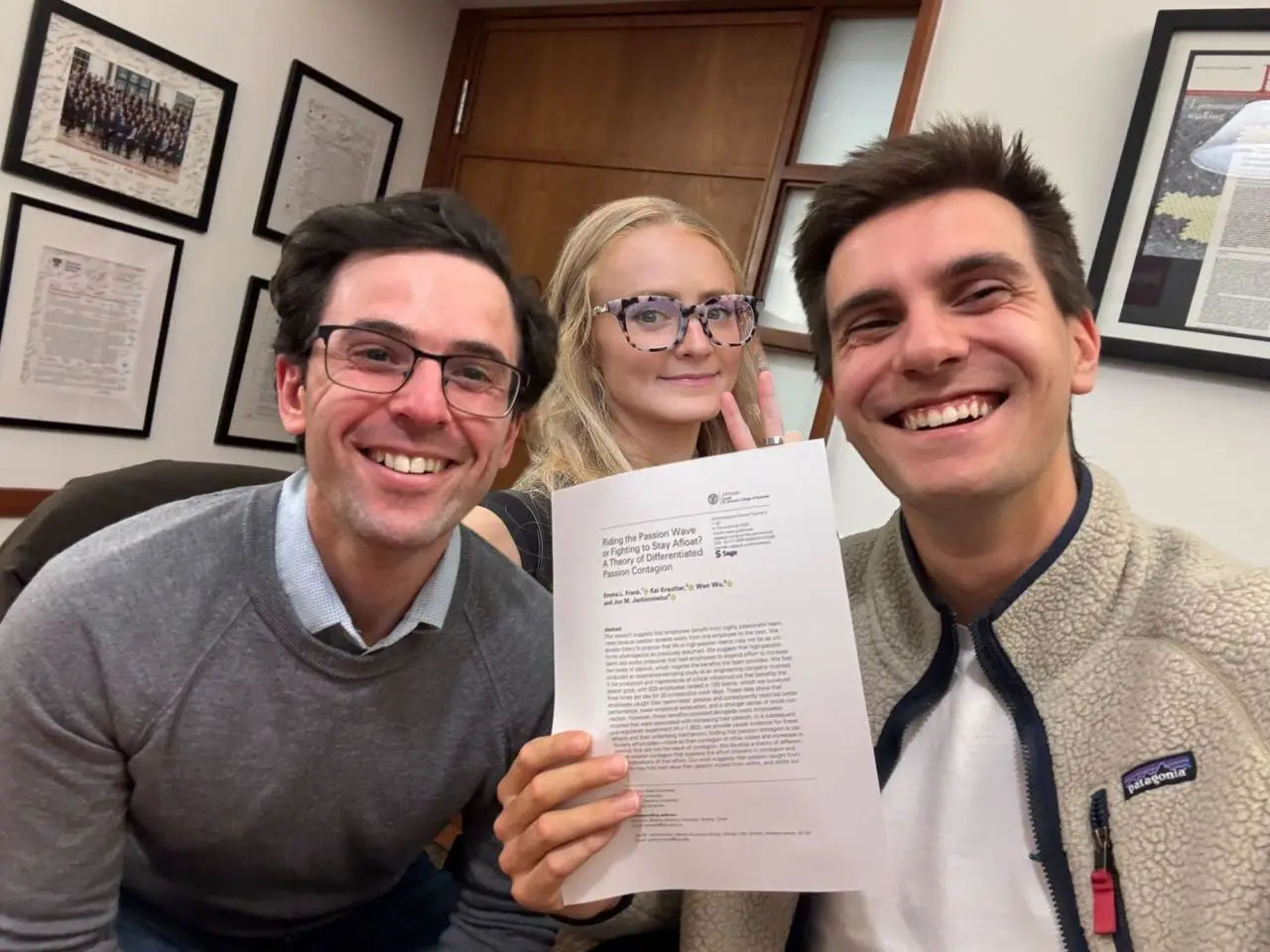
When passion inspires—and when it pressures.
Our research explores why highly passionate teammates can create pressure to keep up, with costs for performance and well-being.
Big questions.
Evidence-based answers.
Riding the Passion Wave or Fighting to Stay Afloat?
A Theory of Differentiated Passion Contagion
A Potential Pitfall of Passion
Passion Is Associated With Performance Overconfidence
Extraverts Reap Greater Social Rewards from Passion
Because They Express Passion More Frequently and More Diversely
The Challenge of Maintaining Passion for Work Over Time
A Dynamic Perspective on Passion and Emotional Exhaustion
Selected Writing
For the way we lead. And the way we work.
Stop Assuming Introverts Aren’t Passionate About Work
DECEMBER 2023
Psychology.
With a human voice.
Join Luise Hönig and me for conversations about psychological research, statistics, and life as a PhD student.
Curiosity,
in practice.
From studying psychology to bringing people and ideas together.
Harvard Business School
PhD · Organizational Behavior
Harvard University
MA · Psychology
German American Conference
Organizing across communications, leadership, and outreach. Head of Essay Competition for 2026.
Journal Club on Organizational Behavior
Co-organized with Jelena Gildehaus: a biweekly space for early-career researchers to discuss organizational behavior research.
Harvard University
Visiting Research Fellow · Organizational Behavior
Saarland University
BSc · Psychology
Frequently Asked
Questions
Short answers about research, PhD life, and getting involved.
A quick note on getting in touch
I’m not currently available for coffee chats. I typically reply to LinkedIn messages on Sundays.
Before starting my HBS PhD in August 2023, I spent two years as a research assistant there. Developing methodological skills, collaborating on papers, and leading projects helped strengthen my application. My advice: build research experience and look for a strong match with your interests. For application resources, I recommend the Business PhD Wiki.
It combines coursework with research: collecting and analyzing data, writing, and presenting ideas. Progress involves repeated revisions and rejection. It takes persistence, but working on questions you care about can make the process deeply meaningful.
In my experience, US programs tend to be longer and include more early coursework. German programs often move into research sooner, with candidates taking on employee responsibilities. Structure, supervision, and entry requirements vary by institution—check the individual program.
Find researchers whose work genuinely interests you, then send a concise, tailored email explaining your background and potential contribution. Explore partnerships at your own university and clarify practical arrangements early. I’m unable to provide introductions to potential supervisors. Harvard also publishes information about its Visiting Fellows program.
I study how people develop, maintain, and integrate passion into their lives and work. This includes the challenges of sustaining passion and its connection to emotional exhaustion. Explore my selected research.
Flextraversion describes adapting how extraverted you are to the situation—for example, being assertive when needed and stepping back to make room for others. It grew out of my interest in introversion and extraversion, rather than my main focus on passion.
I enjoy writing about ideas I care about and meeting people I might otherwise never connect with. It is also a way to make research accessible beyond academia. My monthly newsletter, Kaizen, explores stories and reflections on a meaningful life. Read why I share my work.
Unfortunately, no. As a PhD student, I’m not able to have people work for me, including in unpaid roles.
Good ideas start
with a connection.
Research, psychology, and thoughts along the way. Find me on LinkedIn, where I also share Kaizen.